EPA and DHA are the two omega-3 fats your body actually runs on — and although they're usually mentioned in the same breath, they do noticeably different jobs. Knowing which is which makes sense of a supplement label, a test result, or advice aimed at a specific goal like pregnancy or heart health.
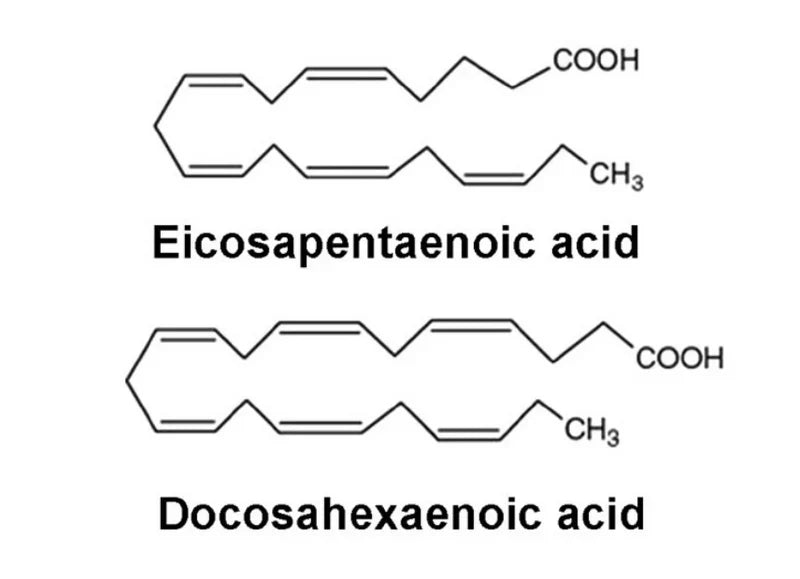
What EPA and DHA are
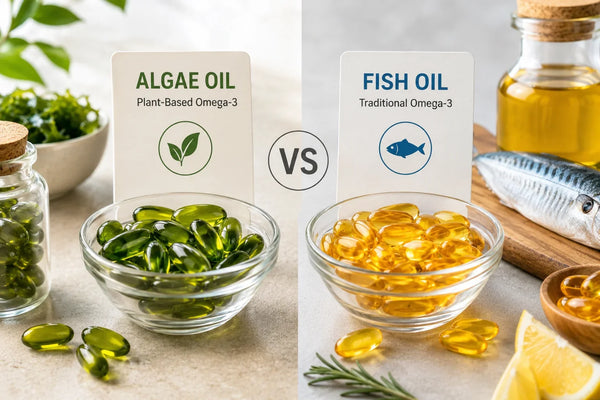
Both are long-chain omega-3 fatty acids found mainly in oily fish — and, before that, in the microalgae the fish eat. EPA is eicosapentaenoic acid; DHA is docosahexaenoic acid. Together they make up your Omega-3 Index. Your body can make only tiny amounts from the plant omega-3 ALA, so in practice you need to get EPA and DHA ready-made from food or a supplement.
EPA: the cardiovascular and inflammatory one
EPA is the omega-3 most prominent in research on heart health and inflammatory balance. It's a precursor to signalling molecules involved in resolving inflammation, and EPA-dominant formulas feature heavily in the cardiovascular and mood literature. For the detail, see omega-3 and heart health.
DHA: the structural one
DHA is a building block. It's concentrated in the brain, the nervous system and the retina, where it's a major structural fat in cell membranes. It's laid down rapidly in early life — which is why DHA dominates advice around pregnancy and infant development — and it stays structurally important throughout adulthood.
How they work together
Your body can convert a little EPA into DHA and vice versa, but only modestly, so it's best to get both. Conveniently they tend to come together: oily fish and most fish-oil supplements contain a mix, and your Omega-3 Index counts them as one because both contribute to your status.
ALA: the plant omega-3 that isn't the same
Flax, chia and walnuts provide ALA, a short-chain omega-3. Your body converts only a small percentage of ALA into EPA, and very little into DHA — which is why people relying on plant sources alone can still have a low Index. If you're plant-based, see how to get enough omega-3 without fish.
Which one do you actually need?
For most people the honest answer is “both”, and the combined Omega-3 Index is the number to watch. Where a goal is specific, the emphasis shifts: DHA-forward in pregnancy; EPA-forward is common in cardiovascular and mood research. If you supplement for a particular reason, our supplement guide covers EPA:DHA ratios, forms and quality.
How to know your levels
A test reports your total Index and breaks out EPA and DHA separately, so you can see not just whether you're in the optimal 8–12% range but how each contributes. Here's how to read the result once it lands.
Frequently asked questions
Is EPA or DHA better?
Neither — they do different jobs and most people benefit from both. The combined Omega-3 Index is the practical target.
Which is better for the brain?
DHA is the major structural omega-3 in the brain, while EPA features more in mood research. Both contribute.
Can my body make EPA and DHA from flaxseed?
Only a small fraction of the ALA in flax converts to EPA, and very little to DHA — so flax alone rarely lifts your Index much.
What EPA:DHA ratio should a supplement have?
It depends on your goal; match it to why you're taking it, and a test shows whether it's actually working.
See how EPA and DHA add up in your own blood.
Check your Omega-3 Index →References
- Harris WS, von Schacky C. The Omega-3 Index: a new risk factor for death from coronary heart disease? Preventive Medicine. 2004;39(1):212–220.
- Middleton P, Gomersall JC, Gould JF, et al. Omega-3 fatty acid addition during pregnancy. Cochrane Database of Systematic Reviews. 2018;11:CD003402.
This article is general information, not medical advice, and the test is not a diagnostic test. Always discuss significant health decisions, or any changes to medication or supplements, with your GP.
Know your number.
A simple at-home finger-prick test, posted to your door. Find out where you actually stand on omega-3.
See our tests