Is cod liver oil safe to take during pregnancy?
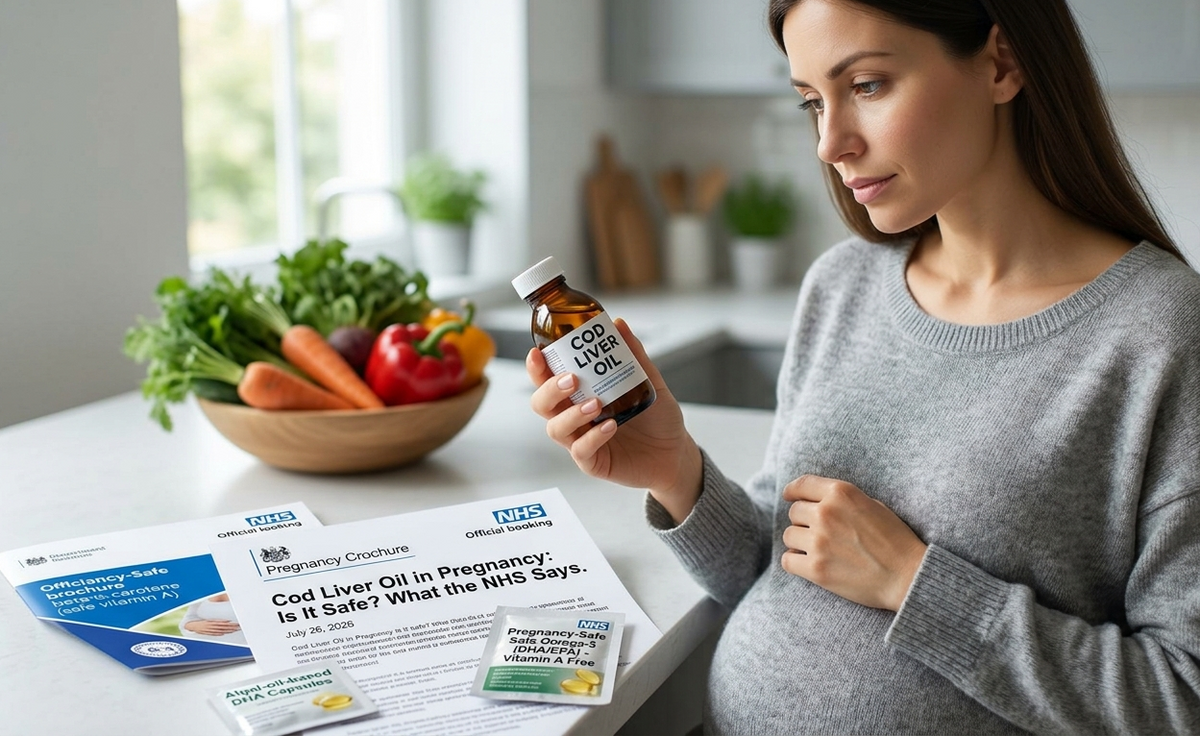
It's best avoided. Cod liver oil is often recommended as an omega-3 source, and the omega-3 part is genuinely valuable in pregnancy — but cod liver oil is also one of the richest dietary sources of preformed vitamin A (retinol). In pregnancy, too much preformed vitamin A is linked to birth defects, which is why UK guidance treats it as a supplement to avoid.
Why is vitamin A the problem?
There are two forms of vitamin A. Beta-carotene (from fruit and vegetables) is safe — your body only converts what it needs. Preformed vitamin A / retinol — the form in cod liver oil, liver, and some supplements — is different: in excess, particularly in the first trimester, it's associated with harm to the baby's development. Because cod liver oil delivers a concentrated dose of retinol alongside its omega-3, the NHS advises pregnant women not to take it, and to avoid liver and liver products too.
But isn't cod liver oil good for omega-3?
Yes — that's the frustrating part. Cod liver oil contains EPA and DHA, the long-chain omega-3s that matter in pregnancy, particularly DHA, which your baby uses to build their brain, eyes and nervous system. The issue isn't the omega-3; it's the vitamin A that comes bundled with it. The fix is simple: get the same omega-3 from a source that doesn't carry the vitamin A load.
What should you take instead?
Choose a pregnancy-specific omega-3 supplement that provides DHA (and usually EPA) without added vitamin A. Two good options:
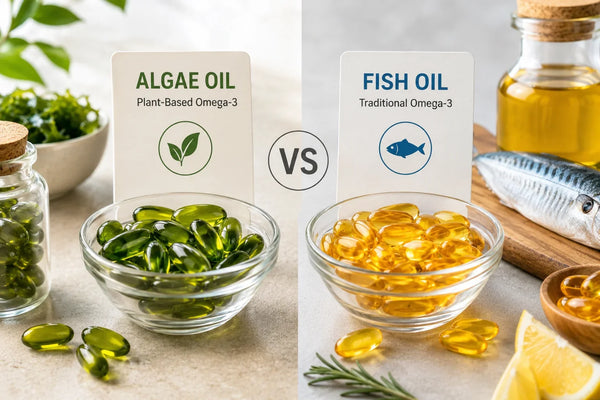
- Purified fish oil labelled as suitable for pregnancy, with the vitamin A removed.
- Algal oil — a plant-based DHA source (vegan-friendly), naturally free of vitamin A.
Always check the label: it should state the DHA amount per dose and confirm it's suitable for pregnancy.
How much DHA do you need in pregnancy?
General guidance suggests at least around 200 mg of DHA per day during pregnancy and breastfeeding, on top of a healthy diet that includes oily fish within the recommended pregnancy limits. Some women — particularly those who eat little or no fish — may benefit from more, which is where knowing your actual level helps.
Don't guess — check your level
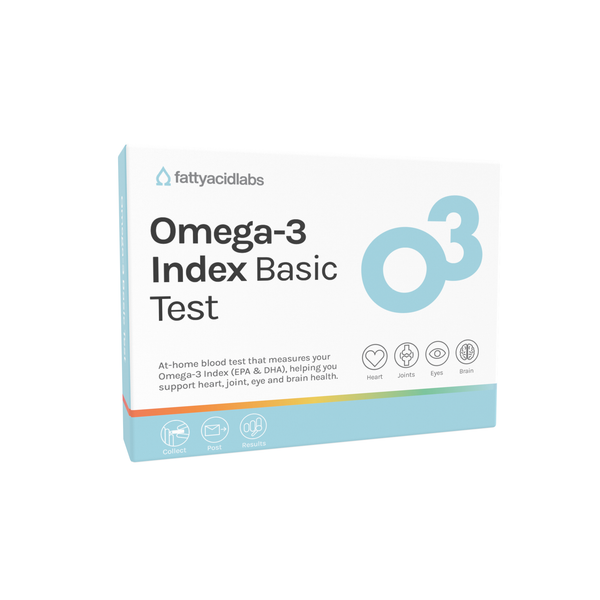
Whether you're getting enough DHA depends on your diet, your starting point, and how you absorb it — and you can't tell from how you feel. Our at-home Prenatal Omega-3 Test measures your DHA status from a simple finger-prick, on a pregnancy-tuned scale, so you can see whether you're in the optimal range and adjust before it matters most. It's the same marker used in major pregnancy research.
This article is for information only and isn't medical advice. Always discuss supplements in pregnancy with your midwife or GP.
The Prenatal Omega-3 Test measures DHA on a pregnancy-tuned scale.
Know your number.
A simple at-home finger-prick test, posted to your door. Find out where you actually stand on omega-3.
See our tests